
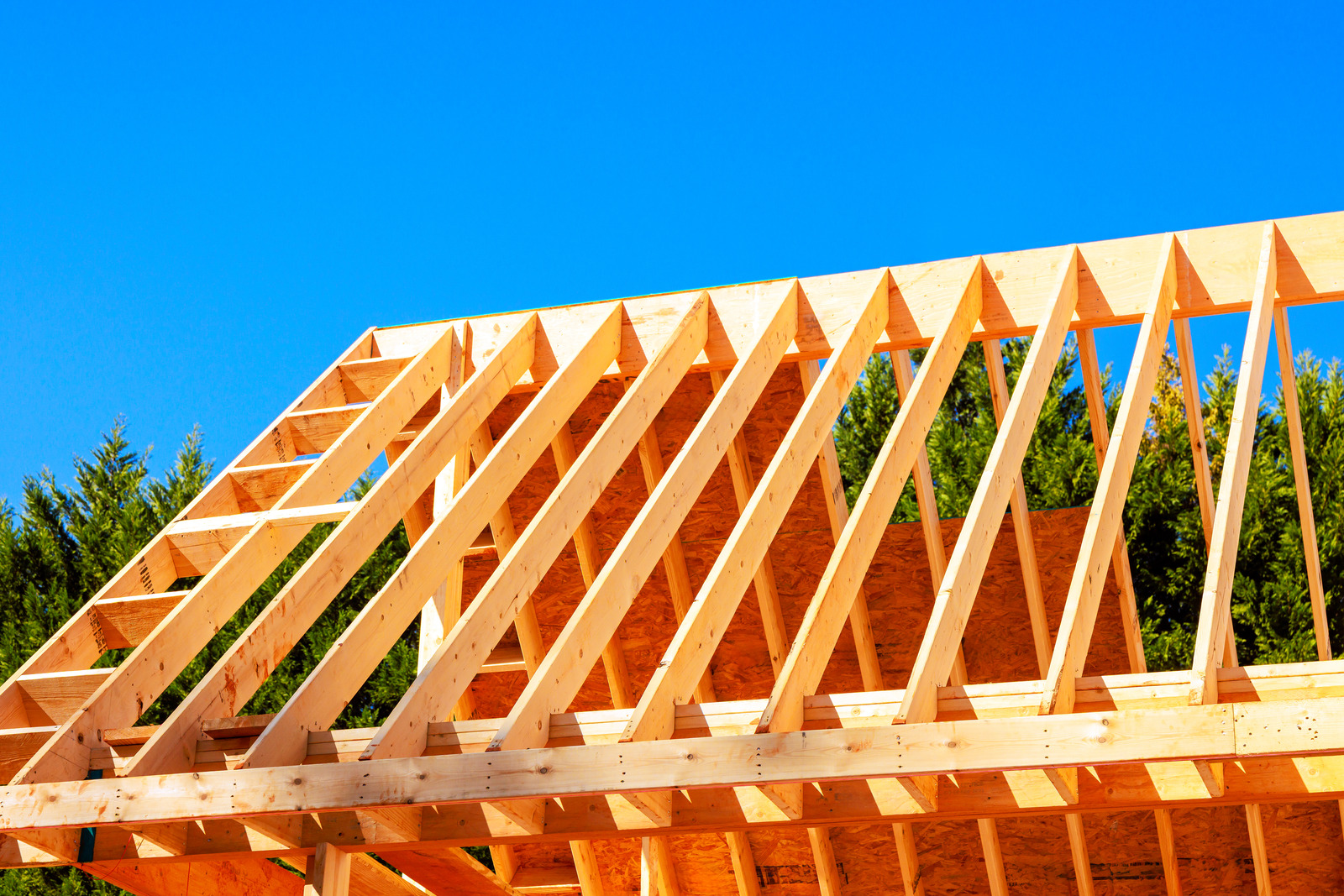
In Ottawa’s construction market, framing is where every structure truly begins. Whether it’s a brand-new custom home or a renovation project expanding an older property, framing determines how strong, safe, and functional the building will be. That’s why experienced Framing Contractors Ottawa are often the first professionals brought onto a job site. They create the skeleton that supports walls, floors, roofing systems, and everything else that follows.
But not all framing work is the same. Framing a brand-new home is very different from framing inside an existing structure. Materials, timelines, and structural considerations can change quite a bit. Ottawa homes, after all, must handle heavy snow loads, fluctuating temperatures, and strict building codes. This guide breaks down the key differences between new home framing and renovation framing in Ottawa. Understanding these differences helps homeowners, builders, and developers make better decisions when planning construction or remodeling projects.
What Is New Home Framing?
New home framing is exactly what it sounds like: building the structural framework for a house from the ground up. Once the foundation is poured and cured, framing crews begin assembling the skeleton of the building.
The process typically includes:
- Installing floor systems
- Constructing wall frames
- Building roof trusses or rafters
- Adding structural beams and load-bearing supports
This type of Frame Construction follows architectural plans precisely. There are usually fewer surprises because everything starts on an empty lot. The framing team simply follows engineered drawings, measurements, and municipal building codes.
In Ottawa, wood framing remains the most common method for residential builds. Wood is cost-effective, easy to work with, and performs well in the region’s climate. Still, strict inspection standards apply. Every wall, beam, and joint must meet safety requirements before the next phase of construction begins. Because the site is new and open, framing moves quickly. A typical single-family home frame can often be completed within one to three weeks depending on size and weather conditions.
What Is Renovation Framing?
Renovation framing happens inside or around an existing structure. It often takes place during projects such as:
- Basement finishing
- Home additions
- Kitchen expansions
- Removing or adding interior walls
- Converting attic spaces
Unlike new builds, renovation projects come with existing structural conditions. Sometimes those conditions are predictable. Other times they are not. Old wiring. Hidden plumbing lines. Slightly uneven floors. Structural beams placed decades ago. These things tend to appear once walls are opened up. That’s why renovation framing requires careful planning. Skilled crews must evaluate what can stay, what must be reinforced, and what needs to be removed safely.
In many cases, renovation framing also involves structural upgrades. For example, removing a load-bearing wall may require installing engineered beams or support columns. Ottawa’s building inspectors often require detailed structural approvals before major modifications begin. Truth be told, renovation framing can take longer than new construction framing because of these extra variables.
Key Differences Between New Home Framing and Renovation Framing
While both projects involve structural framing, the process and challenges differ in several ways.
1. Working Environment
New home framing takes place on an empty construction site. Crews have full access to the structure from every side. Renovation framing, however, happens inside a finished or partially finished building. Furniture, existing walls, ceilings, and utilities often limit movement and access. Let’s face it, working in tight spaces slows things down.
2. Structural Planning
With new construction, architects and engineers design the entire structural system before framing begins. The framing team simply follows the approved blueprint. Renovation projects require investigation. Contractors often need to inspect the current structure before deciding how new framing will connect to the old framework. Sometimes modifications are simple. Other times additional support beams or reinforcements are required.
3. Materials and Integration
New builds use consistent materials from start to finish. Everything is installed at the same time, ensuring alignment and structural uniformity. Renovations must integrate new framing with existing lumber. In older Ottawa homes, lumber sizes and spacing may differ from modern standards. This means careful adjustments during Frame Construction to ensure everything lines up properly and remains structurally sound.
4. Building Code Considerations
Ottawa’s building codes apply to both project types, but renovation framing sometimes triggers additional inspections.
For instance:
- Removing load-bearing walls requires permits
- Adding a second story requires structural analysis
- Basement renovations must meet egress and insulation codes
Professional Framing Contractors Ottawa understands these local requirements and coordinates with inspectors throughout the project. Skipping this step can cause delays or expensive corrections later.
5. Project Timeline
New home framing is usually faster because the process is straightforward and predictable. Renovation framing often takes longer due to:
- Structural discoveries during demolition
- Permit adjustments
- Limited workspace
- Integration with existing systems
After all, modifying an existing structure is rarely as simple as it looks on paper.
Why Professional Framing Matters in Ottawa
Ottawa’s climate and building regulations make proper framing essential. Heavy snow loads, freezing temperatures, and seasonal expansion all affect how homes perform over time. Poor framing can lead to serious problems, including:
- Uneven floors
- Cracked drywall
- Structural sagging
- Roof instability
Experienced Framing Contractors Ottawa help prevent these issues by following precise measurements, proper load distribution, and approved structural designs.Even in renovation projects, professional framing ensures that new additions blend seamlessly with the existing structure. In the long run, strong framing protects both the building and the investment behind it.
New home framing and renovation framing serve the same purpose creating a solid structure. Yet the approach is quite different. New construction framing focuses on speed, precision, and building from scratch. Renovation framing demands flexibility, structural evaluation, and problem-solving inside an existing space. Both require skill, planning, and attention to detail. And when done correctly, the result is the same: a safe, durable home that can stand up to Ottawa’s demanding environment for decades.
FAQs
1. How long does framing take for a new home in Ottawa?
Most residential homes take one to three weeks to complete framing, depending on the size of the house, weather conditions, and crew availability.
2. Is renovation framing more expensive than new construction framing?
Renovation framing can cost more because it involves structural adjustments, demolition work, and integration with existing materials.
3. Do renovation framing projects require permits in Ottawa?
Yes. Many renovation projects, especially those involving structural changes, require permits and inspections to meet Ottawa building codes.
