
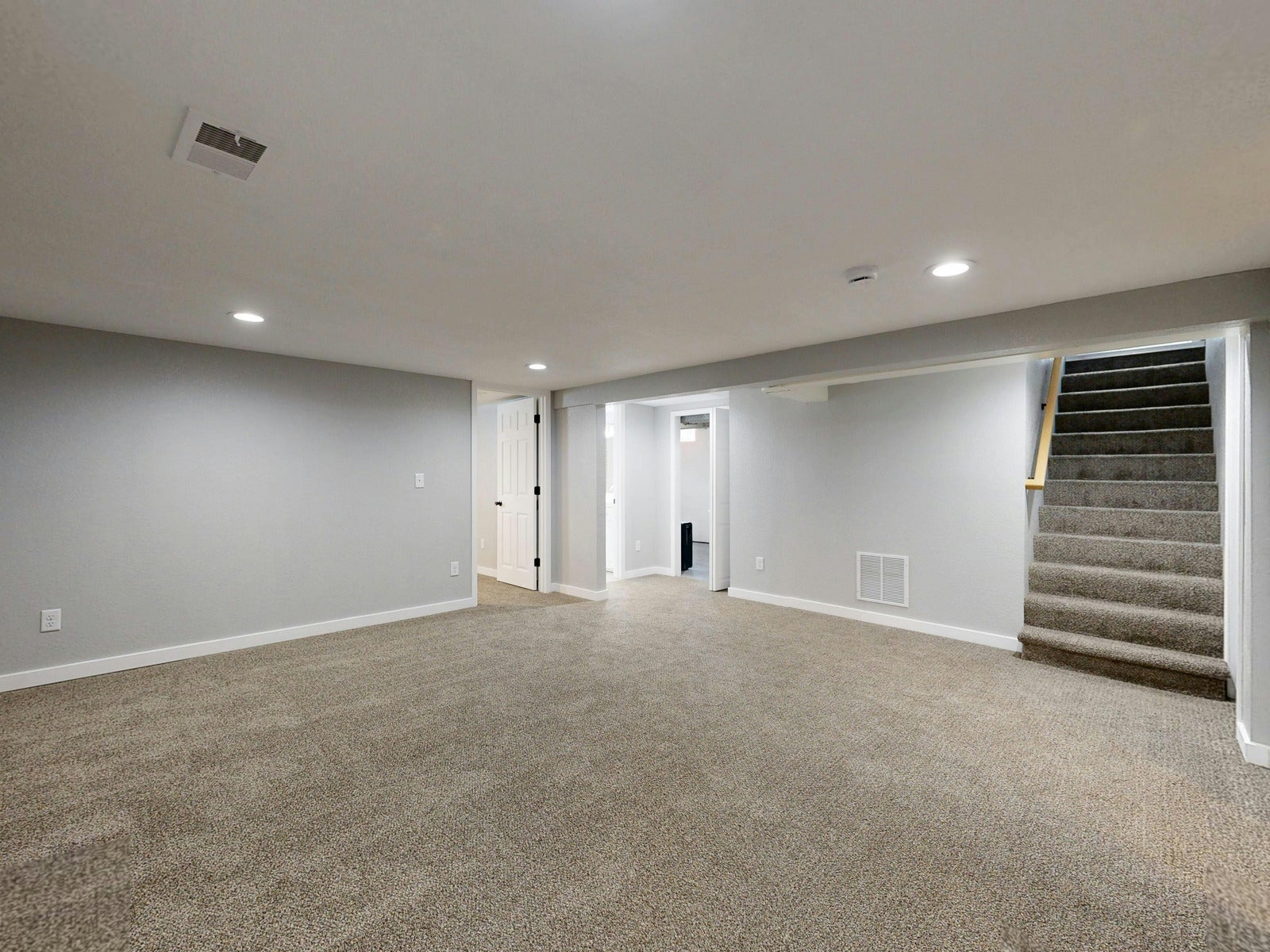
That unfinished basement sitting below most Ottawa homes represents a lot of wasted square footage, and eventually the thought crosses every homeowner’s mind. A home theatre down there, maybe. A rec room for the kids. An extra bedroom for a growing family or aging parent moving in. Basement finishing in Ottawa turns that dusty storage space into a genuinely usable living area, but jumping in without proper planning tends to create expensive problems that a bit of upfront research could’ve avoided entirely.
This post covers what actually needs consideration before starting a basement project, the challenges specific to Ottawa’s climate and housing stock, and how to avoid the mistakes that turn an exciting renovation into a frustrating one.
Moisture and Waterproofing Come First
Before we start making any plans we need to make sure the waterproofing is done right. The weather in Ottawa is pretty tough on basement foundations because of the way the ground freezes and thaws and all the snow that melts in the spring. If the basement is not waterproofed properly it will start to show problems. It is better if this happens when the basement is empty rather than after we have finished it.
We should check the basement for any signs of water problems like spots or that white chalky stuff that shows up on concrete walls or a bad smell. These things mean that there is a problem with moisture that we need to fix before we start doing any work. If we do not fix these problems they will just keep causing damage behind the walls and we will not even see it until something big goes wrong. We need to find the source of the problem and fix it than just covering it up with new drywall. Checking for these signs is really important. It will help us avoid a lot of trouble in the long run.
Truth be told, a lot of basement finishing services in Ottawa report that moisture issues discovered mid project are among the most common causes of budget overruns, since addressing them properly after finishing work has started often means tearing out completed work to fix the underlying problem correctly.
Understanding Ottawa’s Building Codes for Basements
Egress window requirements apply to any basement bedroom, and this is a genuinely important safety code that shouldn’t get treated as optional or something to figure out later. A proper egress window provides an emergency exit and needs to meet specific size and accessibility requirements that vary depending on the specific use of the space.
Ceiling height minimums matter too, since older Ottawa homes sometimes have lower basement ceilings that can complicate certain uses of the space, particularly if ductwork or plumbing needs to be relocated to meet code requirements for habitable space classification.
Permits are required for most basement finishing projects in Ottawa, and skipping this step, even though it feels like an unnecessary hassle for some homeowners, creates real problems down the road. Unpermitted work can complicate a future home sale, and it means the work never got the inspection process that catches genuine safety issues before they become hidden problems.
Planning the Layout Around the Home’s Existing Systems
Basements typically house the furnace, water heater, electrical panel, and often sump pumps or other mechanical systems that need to remain accessible even after finishing. Planning around these systems, rather than trying to hide or work around them as an afterthought, produces a more functional final layout.
A finished basement in Ottawa still needs reasonable access to these mechanical systems for routine maintenance and eventual repairs or replacement. Building a closet or accessible panel specifically for this purpose, rather than boxing everything in completely, saves considerable hassle when a furnace eventually needs servicing years down the road.
Considering how ductwork and plumbing runs through the space also matters for ceiling height and layout decisions, since working around these existing systems is usually more cost effective than relocating them extensively to achieve a specific aesthetic vision.
Insulation Considerations Specific to Ottawa’s Climate
Proper insulation is really important for basement comfort because Ottawa winters are very cold. If you finish your basement without insulation it will feel a lot colder than the rest of your house. This makes the whole finishing project not worth it if the space is too cold to use.
Vapor barriers are important too. They need to be installed to work with the insulation. This helps prevent moisture from getting stuck in the walls, which can cause mold to grow. You might not even see the mold until it has already caused a lot of damage or health problems.
If you are looking for basement finishing services in Ottawa they will know what kind of insulation works best for basements in this area. They will recommend types of insulation that are good for basements, which are different from the insulation used in the rest of the house. This is because basements are different from the rest of the house with moisture and colder temperatures so they need special insulation. Basement finishing services in Ottawa know about these things. Can help you choose the right insulation for your basement.
Budgeting Realistically for the Full Scope
Costs for finishing a basement vary considerably based on square footage, desired finishes, and whether the project includes a bathroom, kitchenette, or other plumbing intensive features that add significantly to the overall budget beyond basic drywall and flooring.
Industry data suggests basement finishing projects frequently run over initial budget estimates, often due to unexpected issues discovered once work begins, moisture problems, outdated electrical needing upgrades, or structural surprises that weren’t visible during initial planning stages.
Building in a contingency fund, typically 15 to 20 percent above the initial estimate, protects against these common surprises without derailing the entire project or forcing difficult compromises partway through construction once the budget’s already stretched thin.
Choosing the Right Basement Finishing Services
Experience specifically with basement projects, rather than general renovation experience alone, matters given the unique challenges these below grade spaces present. Asking about a contractor’s specific approach to waterproofing, insulation, and code compliance reveals a lot about their actual expertise in this particular area.
Checking references and past project photos, ideally basements that have been finished for a few years already, provides insight into how well the work has actually held up over time rather than just how it looked immediately after completion.
When you get a quote that lists the cost of waterproofing, insulation, electrical work and finishing work it is a lot easier to compare different basement finishing services in Ottawa. This is because you can see what you are paying for rather than just getting a single price without any details.
Making The Investment Worthwhile
A finished basement in Ottawa can be an addition to your home and it can even increase the value of your house.. This only happens when the project is done correctly from the start. This means that the basement must be waterproof, meet all the codes and have the right insulation for the climate. If you try to save money by skipping these steps you will probably end up with bigger problems that cost more to fix later on. Basement finishing services in Ottawa can help you do the job right. If you do not do it correctly you might end up wasting all the money you spent on the project. A finished basement in Ottawa is a good investment but only if you do it the right way.
Frequently Asked Questions
Do I need a permit to create a finished basement in Ottawa?
Yes, most basement finishing projects require permits, particularly when adding bedrooms, bathrooms, or making structural or electrical changes. Skipping permits can complicate future home sales and means the work misses important safety inspections that catch potential issues early.
How much does basement finishing typically cost in Ottawa?
Costs vary significantly based on square footage, desired finishes, and whether plumbing intensive features like bathrooms are included. Building in a contingency fund of 15 to 20 percent above initial estimates helps account for common surprises discovered once work begins.
What should I look for in basement finishing services in Ottawa?
Look for contractors with specific experience in basement projects, particularly their approach to waterproofing, insulation, and code compliance. Checking references and viewing basements finished several years ago provides better insight into long term quality than photos of freshly completed work alone.
