
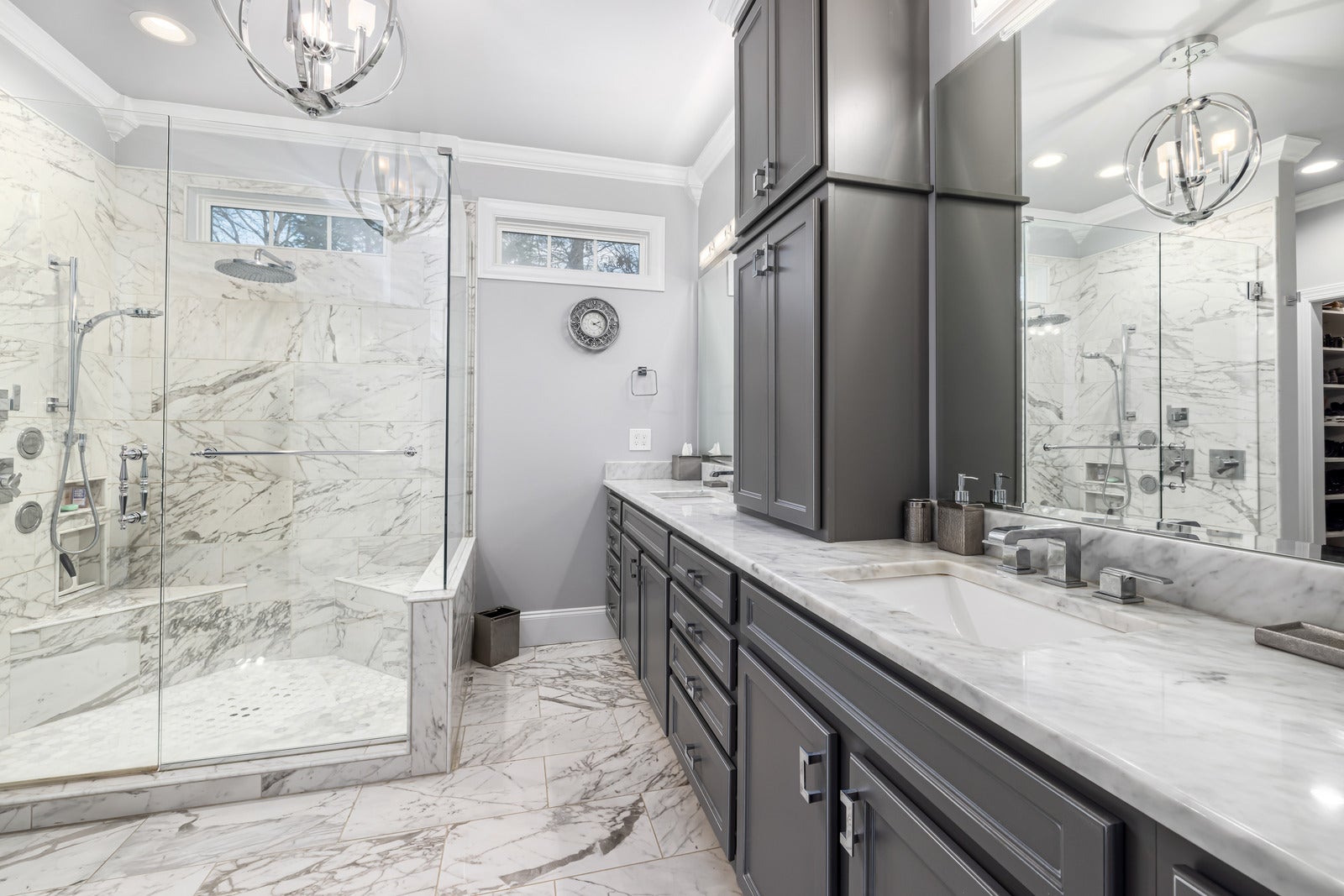
Dated tile. A vanity with the wrong mirror. A showerhead that takes three minutes to warm up. Most Kanata homeowners know their bathroom needs work; they just haven’t pulled the trigger yet. A proper bathroom renovation Kanata isn’t just a cosmetic upgrade. Done right, it changes how the room functions, cuts maintenance headaches, and adds measurable value when the house eventually sells.
Bathrooms are also one of the easier renovations to get wrong. Scope creep is real. Costs spike when the walls open up and there’s rot or old plumbing nobody knew about. And there’s no shortage of contractors willing to quote low and figure out the rest later. So, real design ideas, local cost numbers that reflect what Kanata contractors are actually charging, and the planning basics that separate a smooth renovation from a three-month ordeal. That’s what this covers. Whether it’s a full gut or a targeted bathroom remodel Kanata that refreshes the look without moving a single pipe.
First: Figure Out What Kind of Project This Is
Scope determines everything. Budget, timeline, which trades show up, whether a permit is needed. There are basically three tiers:
- Cosmetic refresh — swap the vanity, update fixtures, repaint, maybe a new mirror. No tile work, no plumbing moved. A long weekend or a few contractor days. Lowest cost by far.
- Mid-range remodel — tile comes out, shower surround gets replaced or retiled, new toilet and vanity, updated lighting. Real disruption, real transformation. The most common scope for a Kanata main bathroom.
- Full gut renovation — everything out. Plumbing repositioned if the layout’s changing, electrical updated, new tile throughout, custom shower build, possibly a heated floor. The version where cost overruns hurt the most if the plan wasn’t tight from day one.
Most bathroom renovation Ottawa contractors ask about scope in the first five minutes. If the answer isn’t clear, that’s a signal the planning stage needs more time before anyone starts calling for quotes.
Know what’s being done before talking to anyone. It saves a lot of wasted conversations.
What Modern Bathroom Design Actually Looks Like Now
The all-white bathroom with chrome everything had a good run. It’s not what’s showing up in well-done Kanata projects anymore. Modern bathroom design right now leans warmer, earthier, and a lot less sterile-looking.
- Warm neutrals are everywhere. Greige walls, warm white tile, oak or walnut vanities, matte black or brushed gold hardware. It feels residential rather than clinical. Easier to live with long-term too cold white shows everything.
- Large format tile but only when it’s installed properly. 24×48 slabs on floors and walls with minimal grout lines look genuinely sharp. The catch: tile installation bathroom at this scale demands a skilled setter. Large tiles telegraph every substrate flaw and layout mistake. This is not where to use whoever’s cheapest on the quote.
- Curbless showers. Low or no threshold, clean line where the floor meets the drain. Works well for accessibility, looks more current than a curbed enclosure. Requires proper waterproofing and slope get that wrong and water goes places it shouldn’t within a year or two.
- Mixed finishes, not matching ones. Matte black faucet, brushed nickel towel bar, warm wood shelf. Sounds like it shouldn’t work. It does. Matching everything perfectly looks dated now the intentional mix reads more considered.
Freestanding tubs keep showing up in design photos. In a primary ensuite with real square footage, they’re worth it. In a standard 5×8 bathroom they eat the room. Be honest about the space before committing.
Shower Upgrades Worth Spending On
The shower is where shower upgrade ideas deliver the most noticeable return both in daily use and in how the bathroom photographs when it’s time to sell. A few upgrades that consistently punch above their cost:
- Frameless glass enclosure. The upgrade that changes the feel of a shower more than almost anything else. No metal frame cutting up the sightline. The title reads as the feature. Even a modest-sized shower looks significantly more open without the frame.
- Built-in tile niche. Recessed shelf set into the wall, tiled to match the surround. Replaces the plastic corner caddy permanently. Has to be planned before waterproofing goes in, adding it after means reopening the wall. Plan it early or skip it.
- Rainfall head plus a handheld. Overhead rainfall gives a genuinely different experience. Not a gimmick, people who have it don’t want to go back. Needs a pressure and water heater check before specifying it. Handheld on the same valve adds flexibility without much additional cost.
- Electric heated floor. $500 to $1,500 installed depending on square footage. In an Ottawa winter it stops feeling like a luxury roughly the first time bare feet hit warm tile in January. One of those upgrades that crosses from “nice to have” to “why didn’t we do this sooner” fast.
- Tiled bench seat. Built into one wall. Practical, looks intentional. Adds almost nothing to the cost if it’s in the original plan. Adds quite a bit if it’s an afterthought once framing is already done. Decide early.
Tile: Where Budgets Take the Biggest Hit
- Tile installation bathroom work is labour-intensive and skill-dependent in equal measure. A bad tile job is visible every single day. It doesn’t hide behind furniture or get covered by rugs. It just sits there, wrong, forever.
- A few tile realities most homeowners don’t know going in:
- The tile itself is only part of the cost. Substrate prep, waterproofing membrane, mortar, grout, sealer, and the labour to set it all properly often add up to more than the tile material. Budget for the full system. Not just the boxes of tile.
- Pattern choice affects labour cost. Herringbone, offset brick, or any diagonal layout takes significantly more time than a straight stack. That shows up in the quote. Knowing this upfront means no surprises when the numbers come back.
- Grout colour is an actual decision. Light grout shows dirt. Dark grout shows inconsistencies in the installation. Epoxy grout is more durable but harder to work with and more expensive. Worth discussing with the tile setter before finalising anything not an afterthought.
Truth be told, tile is what people see and touch every day. Spending properly on both material and labour is one of the better calls in any bathroom renovation.
Real Cost Numbers for Kanata: No Padding, No Lowballing
Here’s what bathroom renovation cost looks like in Kanata and Ottawa West right now, based on what qualified local contractors are actually quoting:
- Cosmetic refresh, no tile work: $3,000 – $8,000
- Mid-range remodel, new tile and shower surround: $15,000 – $30,000
- Full primary ensuite gut renovation: $35,000 – $65,000+
- Small powder room: $5,000 – $12,000 depending on finishes
Moving plumbing pushes costs up fast. So does discovering rot or moisture damage behind the tile during demo and it happens more often than people expect, especially in bathrooms over 20 years old. The 15–20% contingency buffer isn’t optional. It’s just accounting for how renovations actually work.
The Appraisal Institute of Canada puts bathroom renovation ROI at roughly 75–100% at resale in strong markets. Kanata’s market steady demand from the tech corridor and Ottawa’s west end keeps that return on the higher side locally. Ontario requires permits for any bathroom work that touches plumbing, electrical, or structure. That’s not optional and it’s not a bureaucratic formality. Unpermitted work gets flagged at home inspection. It creates problems with insurers. It costs more to resolve after the fact than the permit ever would have.
Planning It Right: What to Sort Out Before Getting a Single Quote
Most renovation problems are planning problems. The project doesn’t go sideways because the contractor is incompetent it goes sideways because nobody agreed on what the scope actually was before work started.
- Lock down the scope first. Know whether plumbing is moving. Know what’s being kept. Know which fixtures are going in. Vague briefs produce wildly inconsistent quotes that can’t be compared to each other. Three quotes only work if they’re all quoting the same thing.
- Set a real budget with contingency built in. 15–20% held back for discoveries. Rot behind the tile. An old shut-off valve that needs replacing. Wire gauge that doesn’t meet current code. These come up. The contingency isn’t pessimism, It’s just how bathrooms work.
- Check references properly. Not just names on a list. Actually call them. Ask what went sideways and how the contractor handled it. That answer matters more than the ones about what went well.
- Plan around the timeline, not through it. A full bathroom remodel in Kanata takes two to four weeks. Main bathroom out of service for three weeks affects everyone in the house. Book alternative arrangements. Don’t assume it’ll be faster than the contractor says.
Frequently Asked Questions
What are the latest bathroom design trends?
Warm neutrals, earthy tones, mixed metal finishes brushed gold, matte black, warm wood vanities replacing the all-chrome look. Large format tiles with tight grout lines, curbless walk-in showers, and built-in niche shelving are showing up consistently in renovated bathrooms across Kanata and Ottawa's west end right now.
How long does a bathroom remodel take?
A cosmetic refresh takes a few days to a week. A mid-range remodel runs two to three weeks. A full gut renovation with plumbing and electrical changes is typically three to five weeks with a dedicated crew. Tile curing time, custom vanity lead times, and permit processing are the most common sources of delay.
What should I upgrade first in a bathroom renovation?
The shower has the biggest daily impact, strongest visual transformation, best return at resale. After that, vanity and lighting, both visible and both relatively straightforward to upgrade. Save the toilet for last unless there's a functional issue. Add a heated floor during any renovation that involves pulling up existing tile much cheaper than coming back for it later.
